
The first step when considering an ADU project is to learn more about your property and consider community basic guidelines and regulations for additional living spaces. After you have determined that your property is eligible for an accessory dwelling, you are ready to begin your ADU project.
Four ADU Project Phases
- Planning and Financing
- Design
- Permitting
- Construction and Placement
The best way to get started is to learn about each of these components, understand the general project timeframes, review common questions and begin contacting professionals in each field.
Planning and Financing
Determining the type and source of financing is one of the critical decisions for any ADU project. Homeowners can typically choose from a variety of financing options including Home Equity loans, re-financing existing mortgages, and even cash. The appropriate financing mechanism often depends on the details of the project such as size, manufacture type, and location – all of which will impact the project budget.
Budgeting and cost estimating are usually necessary to understand the scope of the project’s financing needs. The overall cost of the project will include professional services, construction, permitting, and utility hookups. Washoe County maintains webpages to help you estimate the cost for projects requiring a building permit. These pages will help you understand how costs associated with the permitting of your project are calculated.

Design
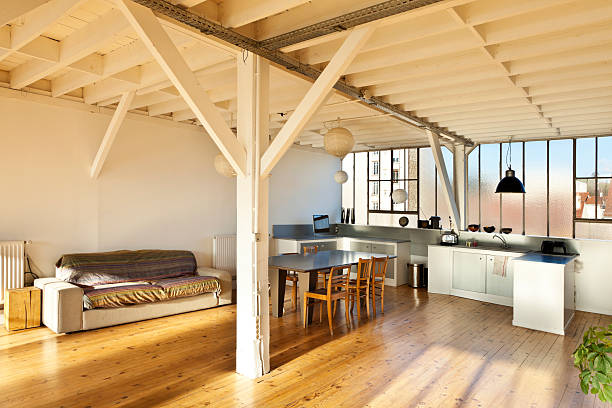
The design of an ADU is another decision point for an ADU project. Design includes more than just choosing a floor plan. Design incorporates features such as building materials, sustainability, site compatibility, and construction methods.
An ADU can be custom designed, be a pre-approved model in the county’s Master Permit program, a manufactured home, or a tiny home.
Any dwelling that meets the adopted building code in Washoe County has the potential to be utilized for an ADU. This flexibility opens the door to countless design possibilities for an ADU project and ultimately allows homeowners to choose the design that is right for them.
Many architects, residential designers, manufactured home builders and other designers are responding to the increased demand for ADUs by developing specialized products for use as ADUs. Sometimes you may ask your designer to apply for the necessary permits.
Permitting
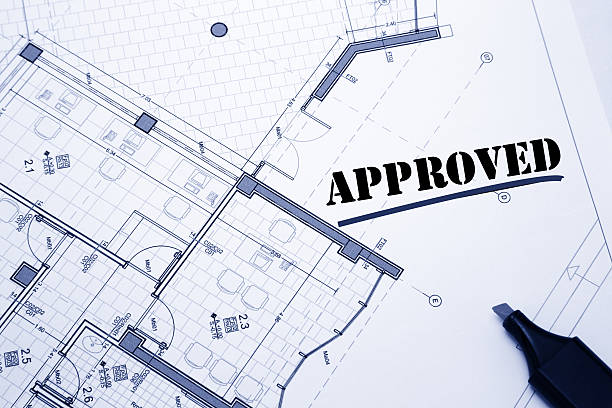
Obtaining the necessary permits ensures your ADU will be safe, reliable, compatible, and legally established on the parcel. The required permits can be submitted by the property owner or by a designated contractor, designer, or engineer. Below are examples of possible required permits.
At a minimum, all ADUs require one of three building permits: a permit for a new structure, a building permit for improvements, to an existing structure, or a placement permit for a manufactured home. Depending on site characteristics, some ADU projects may require an additional building permit for grading or other site work.
Additional permits from WC Planning Program may also be needed. ADU projects on parcels one-half acre or smaller and parcels with a Medium Density Suburban zoning designation will require approval of an Administrative Review by Planning prior to obtaining other permits. An administrative review is an in-house review that generally considers development constraints and neighborhood compatibility. Check with WC Planner-of-the-day at 775-328-6100 to find out if this type of permit is necessary.
While applications and plans may be submitted by the property owner, please remember that most plans submitted for building permits must be stamped by an appropriately certified professional. Washoe County Permit Techs will be available to help determine application submittals.
Construction and Placement
Unless you are planning to apply as an “owner-builder,” it is likely your construction contractor will be applying for the necessary permits. Some contractors may be capable of handling multiple steps of the ADU process, including design, permitting, and construction/placement. But primarily, the contractor will be responsible for making the building plans come into reality.
Several things go into choosing who will construct or place your ADU. Specifically, the type of unit you choose (prefabricated, pre-approved models, stick-built units, specialty materials, add on to existing structure, etc.) will help narrow the choice of contractors for your project. As mentioned above, these are choices which are often rooted in your available budget, but may also be influenced by site characteristics, timeline, and personal preferences. Experience with similar projects and an ability to communicate should be fundamental to your choice.
Certified and Licensed professionals should be used throughout all the critical steps of your ADU project. This is particularly important when it comes to who is building or placing a new ADU on your parcel.
Using a State of Nevada licensed professional will help ensure your ADU project is safe and able to pass the critical inspections necessary to obtain a Certificate of Occupancy.
Project Timeframe
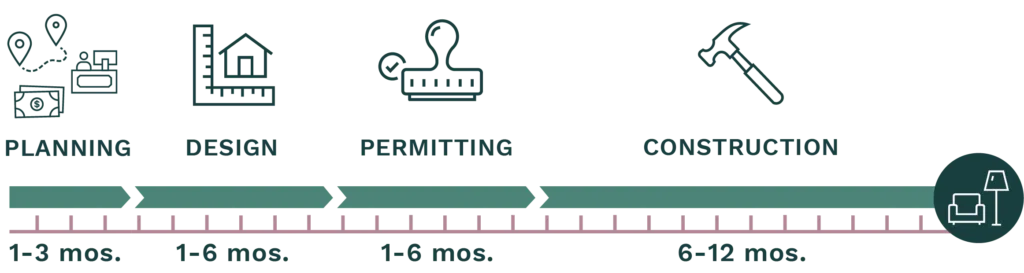
Typical project timelines from planning to construction range from one to two years depending on the location, budget, size and complexity of the project.
Most Common Questions
How do I know if someone is a licensed professional?
To confirm if a person is a licensed professional, you should verify their credentials through the appropriate licensing board. You can also ask them to show you a copy of their license. You can check their website and verify their business information.
What should I consider when contacting professional services?
Ensure you are communicating with a licensed professional.
Does the business have any expertise or experience in ADUs? As mentioned, the increasing demand for ADUs is causing many professional services to ensure they have knowledgeable staff on hand to speak with you about an ADU project. In fact, some contractors are developing a specialty in ADU construction.
And finally, how good is communication between you and the professional? Northern Nevada is fortunate to have many highly skilled, licensed professionals from these fields. Ultimately the most important thing is your ability to communicate with the one you choose.